
As the world continues to seek cleaner and more sustainable energy solutions, domestic solar and battery storage solutions have become of increased interest to electrical installation professionals and homeowners alike. These technologies not only enable households to generate their own renewable energy but also contribute to grid stability and a reduced carbon footprint. Looking ahead, several exciting trends are emerging in the realm of domestic solar and battery storage, shaping the future of how we produce, store, and consume energy.
Increased Adoption of Smart Energy Management
The integration of smart technologies solutions is set to revolutionise how homeowners manage their energy consumption. Smart energy management systems will enable real-time monitoring of energy production, consumption, export and storage. These systems will optimise energy usage based on weather conditions, time of day, and individual preferences, enhancing overall efficiency and cost savings.
Energy Storage Evolution
Battery storage technology is evolving rapidly, leading to improved energy density, longer lifespans, and faster charging capabilities. Emerging battery chemistries, such as solid-state batteries, promise higher energy storage capacities and enhanced safety. These advancements will make battery storage more reliable, affordable, and accessible to a wider range of consumers.
Energy Resilience and Backup Solutions
As extreme weather events become more frequent, homeowners are recognising the importance of energy resilience. Battery storage systems will play a crucial role in providing backup power during grid outages. This trend will drive the development of more robust and capable battery systems that can seamlessly switch to backup mode when needed.
Virtual Power Plants (VPPs)
Virtual power plants are networks of interconnected solar panels and battery storage systems that work together to supply energy to the grid. VPPs aggregate energy resources from multiple households, enabling grid operators to manage energy supply and demand more effectively. This trend will contribute to grid stability and create new revenue streams for homeowners who participate in demand response programs.
Peer-to-Peer Energy Trading
P2P energy trading technology is poised to revolutionise energy markets by enabling peer-to-peer energy trading. Homeowners with excess energy can sell it directly to their neighbours, bypassing traditional energy providers. This decentralised approach empowers communities and promotes the use of locally generated renewable energy.
Energy Storage as a Service (ESaaS)
ESaaS models allow homeowners to lease or rent battery storage systems instead of purchasing them outright. This lowers the upfront costs and makes energy storage more accessible to a broader audience. ESaaS providers handle maintenance, upgrades, and system management, simplifying the ownership experience.
Electrification of Transportation
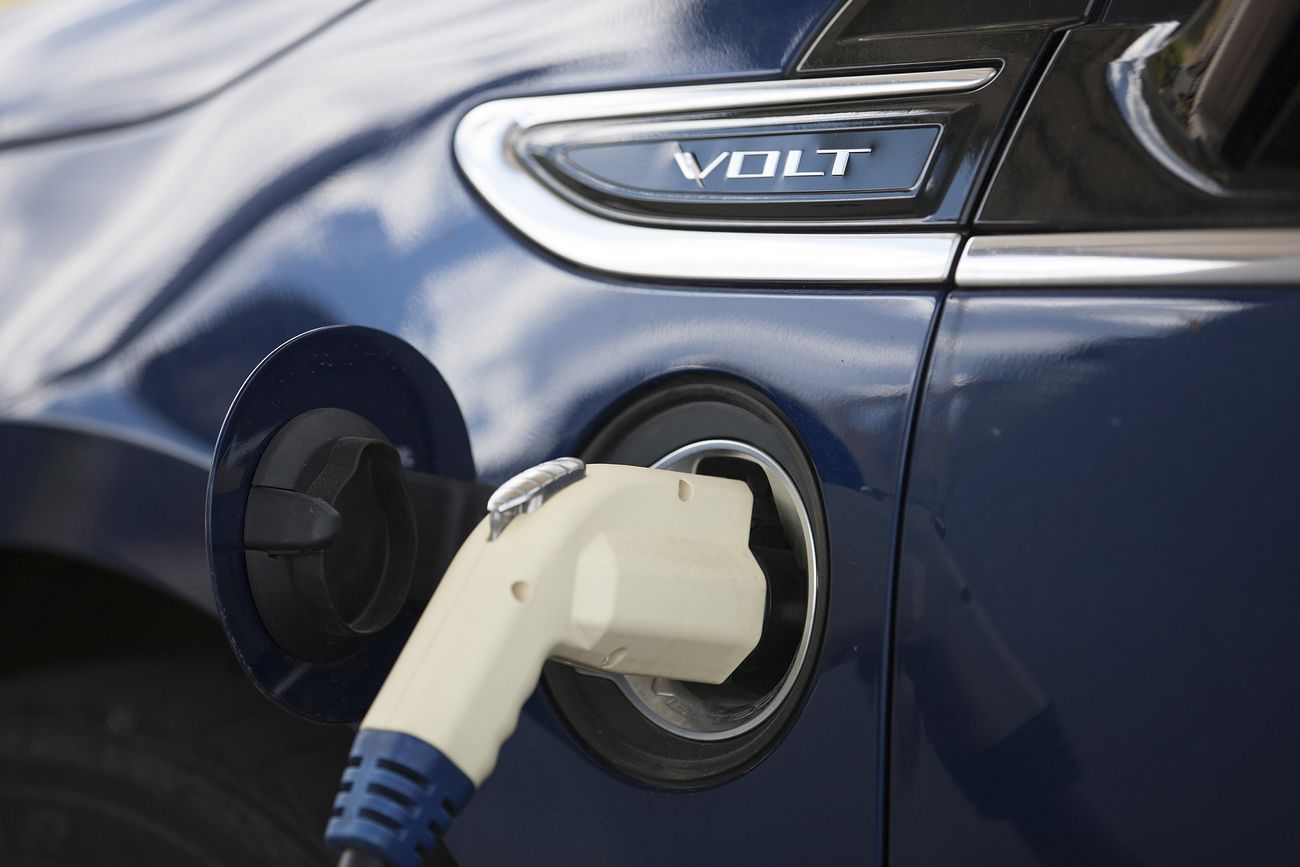
The electrification of transportation, including electric vehicles (EVs), will have a synergistic relationship with domestic solar and battery storage such as with Vehicle to Grid (V2G) systems. EVs can serve as mobile energy storage units, allowing homeowners to use their vehicle batteries to power their homes during peak demand or emergencies. This bidirectional energy flow between homes and vehicles will enhance energy flexibility.
Integration with Renewable Heating and Cooling
Renewable heating and cooling systems, such as heat pumps and solar thermal systems, can be integrated with domestic solar and battery storage setups. This holistic approach allows homeowners to optimise their use of renewable energy across multiple energy-consuming sectors.
Modular and Scalable Systems
Future solar and battery storage systems will likely be modular and scalable, allowing homeowners to easily expand their energy generation and storage capacity as their needs evolve. This adaptability will accommodate changes in household energy consumption and future technology advancements.
Energy-Aware Homes
Emerging technologies will enable homes to make real-time decisions based on energy availability, cost, and environmental impact. Smart appliances, electric water heaters, and heating systems will automatically adjust their operation to optimise energy usage and minimize costs.
Energy Community Cooperatives
Communities will collaborate to establish energy cooperatives, collectively investing in and sharing renewable energy resources. These cooperatives will enable communities to leverage economies of scale, negotiate better energy rates, and create a sense of energy independence.
Conclusion
The future of domestic solar and battery storage is bright, with a multitude of trends shaping a more sustainable and decentralised energy landscape. As technology evolves, energy storage becomes more sophisticated, and smart solutions gain traction, homeowners and communities will have greater control over their energy independence. These trends not only promise reduced carbon emissions and increased energy self-sufficiency but also contribute to a more resilient and reliable energy infrastructure for a sustainable future.