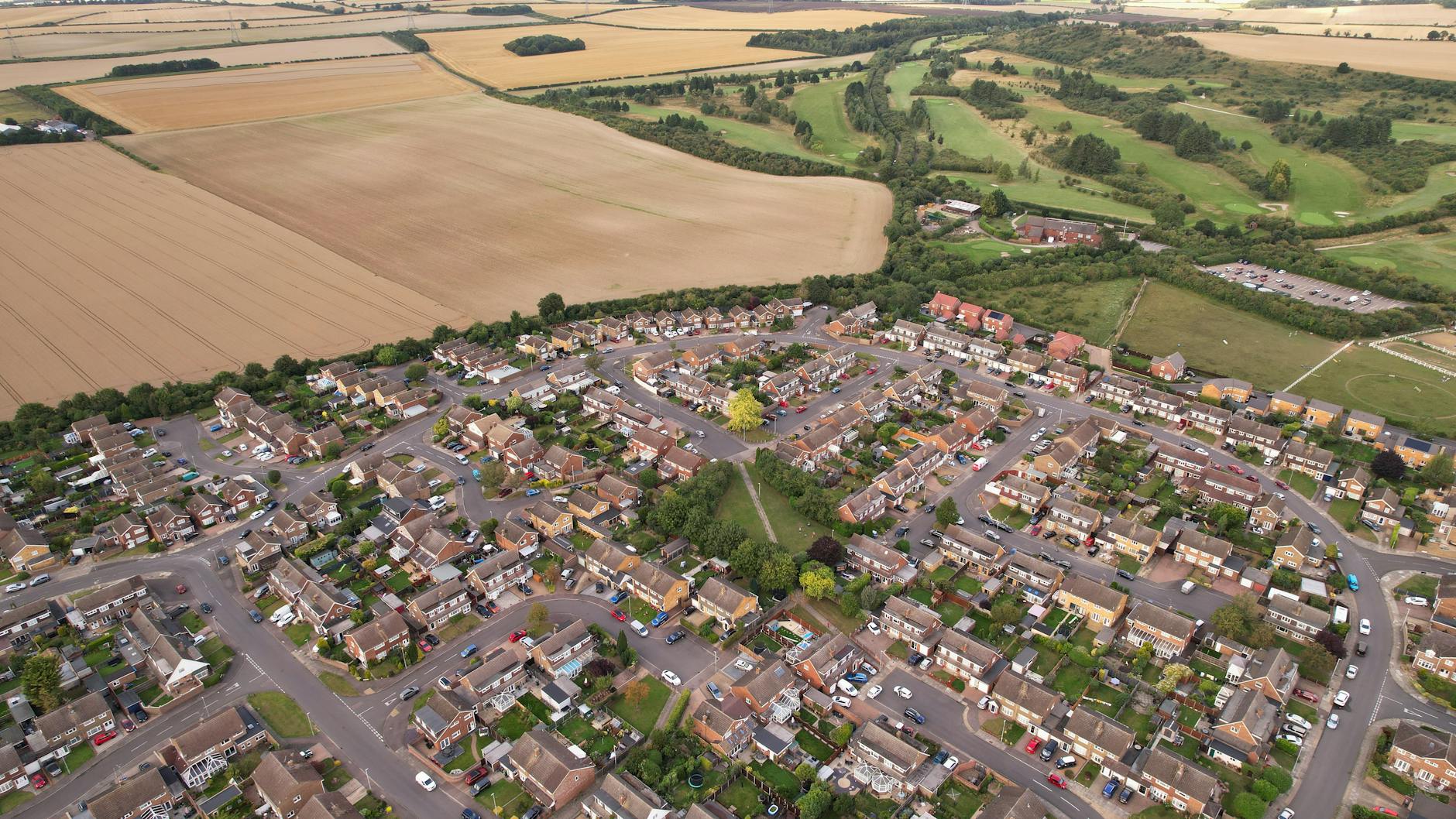

In recent years the United Kingdom has witnessed a surge in community energy projects, as local communities come together to address the pressing challenges of climate change, energy security, and rising energy costs. These initiatives have emerged as a powerful force in reshaping the nation’s energy landscape, fostering sustainability and empowering communities to take control of their energy future.
Community energy projects can be broadly defined as locally-led initiatives that aim to produce, distribute, and manage renewable energy within a specific region. These projects are typically driven by community-based organisations, cooperatives, or social enterprises, reflecting the collective interests and aspirations of local residents. Unlike traditional centralised energy systems dominated by large utility companies, community energy projects emphasize decentralisation and prioritise community ownership and participation.
Renewable Energy Generation
Community energy projects encourage the deployment of renewable energy technologies, such as solar panels, wind turbines, and biomass plants. By harnessing clean energy sources, communities can reduce their carbon footprint and contribute to the UK’s ambitious climate targets.
Energy Security and Resilience
By generating their energy locally, communities become less reliant on external energy suppliers and are better equipped to withstand disruptions caused by extreme weather events or other crises. This enhances energy security and resilience on a local level.
Community Empowerment
Community energy projects empower local residents to actively participate in the energy transition. By collectively owning and managing renewable energy assets, communities gain a sense of control over their energy choices, leading to increased engagement and awareness of sustainable practices.
Financial Benefits
Communities selling their energy to local users and to the grid while reinvesting profits into community initiatives. This additional income can fund social projects, infrastructure improvements and job creation.
Social Cohesion and Well-being
Collaborating on a shared goal fosters a sense of community and social cohesion. Community energy projects often create opportunities for social interaction, strengthening the fabric of local society.
Educational Opportunities
Community energy projects provide educational platforms where people can learn about renewable energy technologies, energy conservation, and sustainable living. This knowledge-sharing benefits both adults and young people, helping build a greener future.
Key Challenges and Barriers
While community energy projects bring numerous advantages, they also face certain challenges that can hinder their implementation and growth:
– Access to Finance
Securing initial funding can be difficult for community energy projects, as they often lack the financial resources of larger corporations. Access to grants, loans, and other funding mechanisms is crucial for their success.
– Regulatory Hurdles
Complex regulations and bureaucratic processes can impede the development of community energy projects. Streamlining permitting and licensing procedures can accelerate project deployment.
– Grid Connection
Connecting renewable energy projects to the existing electricity grid may be challenging in some areas due to capacity limitations or technical constraints. Upgrading the grid infrastructure is essential to accommodate more distributed energy resources.
– Community Engagement
While community involvement is a cornerstone of these projects, it can also be a challenge to ensure broad participation and decision-making among community members.
– Technical Expertise
Developing and managing renewable energy projects require technical expertise that may not be readily available within the community. Collaboration with experts and energy professionals becomes crucial.
– Changing Government Policies
Uncertain or changing government policies on renewable energy incentives and support can affect the long-term viability of community energy projects.
Success Stories and Impact
Despite the challenges, many community energy projects have flourished across the UK, leaving a positive impact on their communities and the environment.
Westmill Solar Cooperative. Located in Oxfordshire, Westmill Solar Cooperative is one of the UK’s largest community-owned solar projects with Westmill Solar Park having 20,000 polycrystalline PV panels on a 30 acre site, generating 4.8GWhr annually, enough electricity to supply about 1,600 homes.
Awel Co-op. Based in South Wales, Awel Co-op operates two 2.35MW Enercon wind turbines that generate 12,000 MWh enough to supply over 2,500 homes. The co-op reinvests surplus profits into local projects aimed at alleviating fuel poverty and promoting energy efficiency.
Bath & West Community Energy. This community energy group based in Somerset has a total of 13.35 MW of renewable generating capacity that includes 28 rooftop solar PV systems, 5 ground mounted solar arrays and 1 hydro scheme, enough electricity for 4,500 households while preventing on average 3,300 tonnes of carbon dioxide a year.
The future of community energy projects
Looking ahead community energy projects are poised to play a crucial role in the UK’s transition to a low-carbon future. With increasing public awareness of climate change and a growing desire for community empowerment these projects are likely to gain even more support.
To strengthen community energy initiatives, the government can take several steps, such as:
– Enhancing Financial Support
Providing targeted financial support, grants, and loans specifically tailored to community energy projects can help overcome funding challenges.
– Simplified Regulations
Streamlining regulatory processes and offering clear guidelines for community energy developments can reduce administrative burdens.
– Grid Integration
Investing in grid infrastructure upgrades and facilitating grid connection for community-led renewable energy projects will be essential to accommodate decentralized energy generation.
– Public Awareness Campaigns:
Raising awareness about community energy projects and their benefits can encourage public support and participation.
– Collaboration with Local Authorities
Strengthening partnerships between community energy groups and local authorities can create a more supportive environment for project development and implementation.
In conclusion, community energy projects in the UK have emerged as a catalyst for sustainable change, enabling communities to actively participate in the energy transition while fostering local ownership of renewable energy assets. These initiatives offer a multitude of benefits, from environmental advantages to social and economic empowerment. While challenges exist, the future of community energy in the UK remains promising, driven by the collective determination to create a cleaner, greener, and more resilient energy system. As these projects continue to grow and flourish, they demonstrate that community-driven solutions are a vital component of achieving a decentralised regenerative energy system.