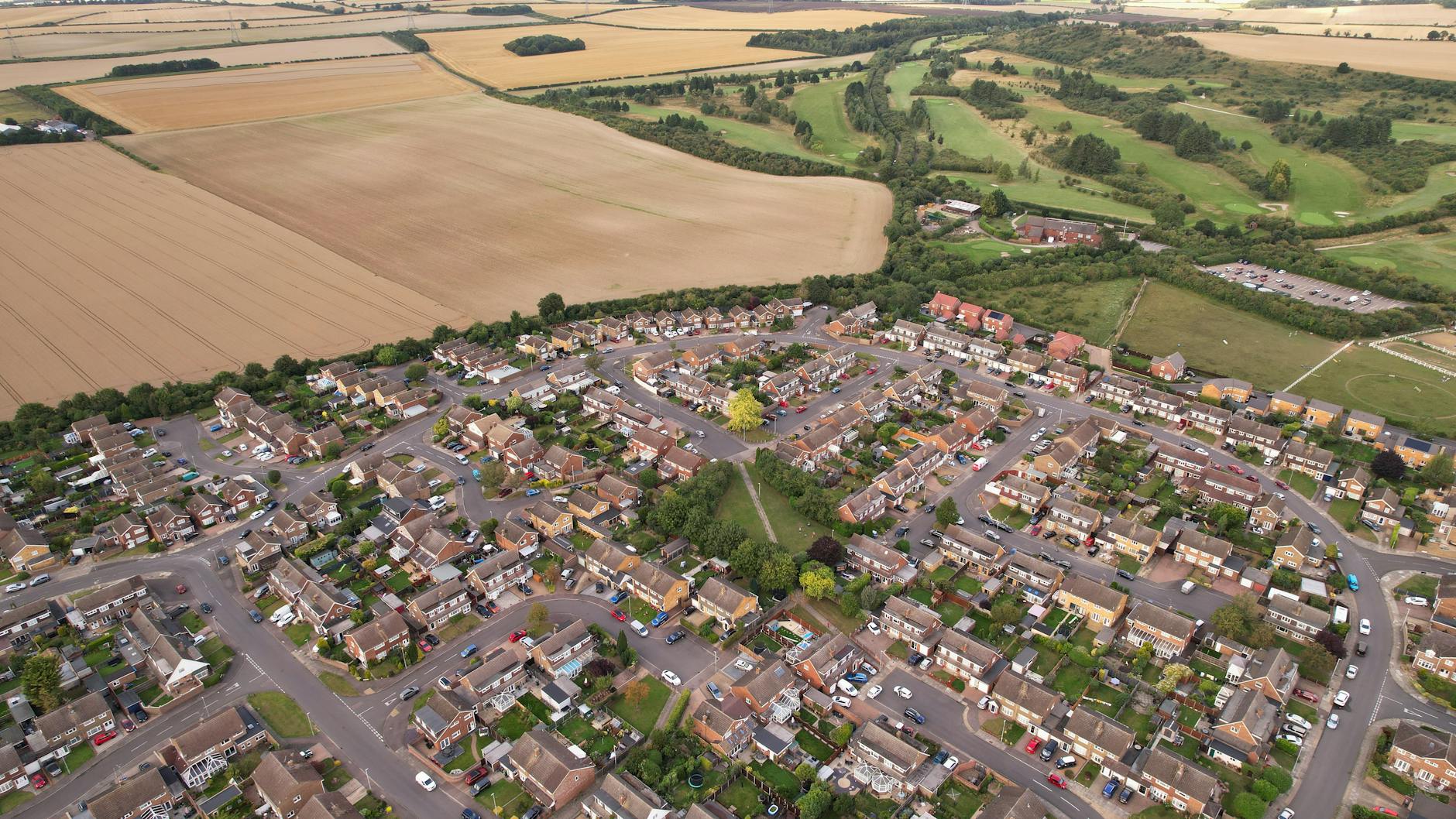

A study conducted by the Karlsruhe Institute of Technology in Germany has found that as solar technology advances more households will end their reliance on the grid and become energy independent with 75% of single-family, domestic houses becoming self-sufficient by 2050, with two million abandoning the grid all together by this time. The best outcome suggests that self-sufficient energy users will remain connected to the grid in order to export their excess electricity to other consumers.
Max Kleinebrahm, lead researcher at Karlsruhe Institute of Technology in Germany, said; “Our results show that even in 2050 going off-grid won’t be the most economic choice, but it could make sense to invest in these kinds of self-sufficient buildings if you are willing to pay more for self-sufficiency,”
The recent study called ‘Two million European single-family homes could abandon the grid by 2050’ evaluated the potential of energy-independence for 41 million European homes, noting that today’s current technical conditions could allow 53% of homes to become energy self-sufficient. This paints a picture were the main generators of electricity good one day become domestic users.

Author: Max Kleinebrahm,Jann Michael Weinand,Elias Naber,Russell McKenna,Armin Ardone,Wolf Fichtner
Publication: Joule, Publisher: Elsevier’ Date: 2 November 2023
Encouraging energy-independent households with solar panels to remain connected to the grid and export surplus energy presents several advantages for the entire energy system. Firstly, these households contribute to the overall stability of the grid by acting as distributed energy resources. In times of peak demand or when weather conditions affect solar energy production, these homes can seamlessly draw from the grid, ensuring a reliable and continuous power supply.
Moreover, the surplus energy generated by these households during periods of high solar availability can be fed back into the grid, thereby supplementing the energy needs of nearby homes or businesses. This fosters a more balanced and resilient energy ecosystem, reducing strain during peak usage and potentially averting the need for additional centralised power plants.
Staying connected to the grid also allows energy-independent households to benefit from net metering programs, where they receive credits for the excess energy they contribute. This incentivises the adoption of renewable energy technologies and fosters a sense of environmental responsibility among consumers.
In the broader context, a grid populated by energy-producing households fosters a more sustainable and decentralised energy infrastructure, aligning with the global shift towards cleaner and more resilient energy systems. Overall, the collaboration between self-sufficient households and the grid serves as a symbiotic relationship, enhancing the efficiency, reliability, and environmental sustainability of the entire energy network.