
The concept of self-sufficiency can play a significant role in moving towards energy independence, but it’s essential to consider the broader context and various aspects of energy systems. Here are some key points to consider:
Diversification of Energy Sources:
- Relying on a single energy source for self-sufficiency may not be the most resilient or sustainable strategy. Energy independence often involves a diversified mix of sources, including renewables (solar, wind, hydro), conventional sources (natural gas, nuclear), and potentially emerging technologies.
Renewable Energy and Decentralisation:
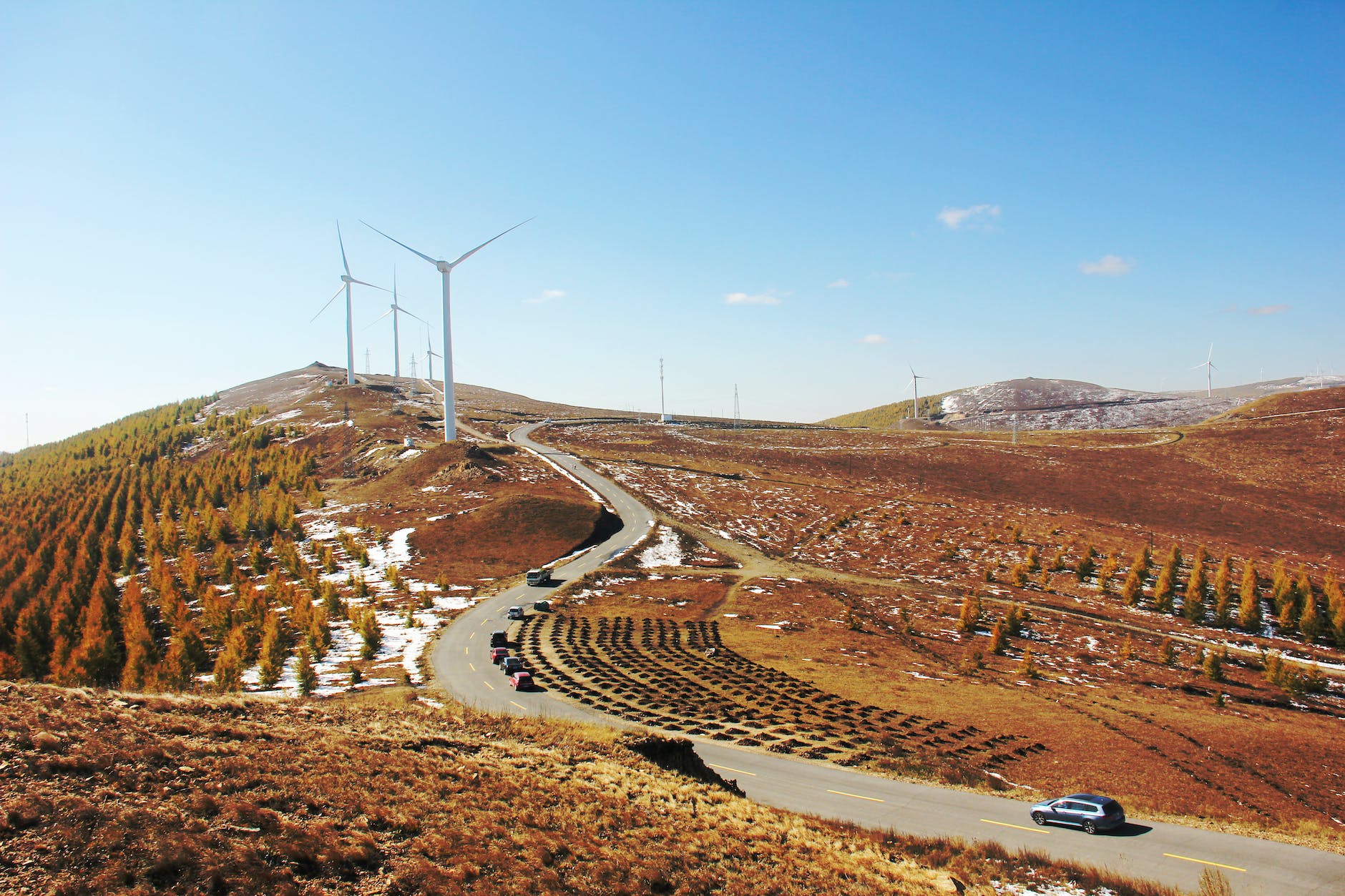
- Embracing renewable energy sources, such as solar and wind, can contribute to both self-sufficiency and energy independence. These sources are often decentralised, allowing for on-site generation and reducing dependence on centralised power grids.
Energy Storage:
- Incorporating energy storage solutions, such as batteries, is crucial for enhancing self-sufficiency. Storage enables the capture of excess energy during times of abundance (e.g., sunny days or windy periods) for use during times of scarcity, providing a more reliable and independent energy supply.
Efficiency and Conservation:
Prioritising energy efficiency and conservation measures is a fundamental aspect of achieving self-sufficiency. By reducing overall energy consumption through efficient technologies and practices, businesses and individuals can decrease their reliance on external energy sources.
Grid Connectivity and Interdependence:
While self-sufficiency is valuable, complete isolation from the grid may not be practical or desirable. Maintaining connectivity allows for the exchange of surplus energy with the grid and provides a backup in case of energy shortages or system failures.
Technological Advancements:
- Continued advancements in technology, such as smart grids, decentralised energy systems, and more efficient storage solutions, can enhance the feasibility and effectiveness of self-sufficiency strategies.
Policy and Regulation:
- Supportive policies and regulations can encourage the development and adoption of self-sufficiency measures. Incentives for renewable energy installations, energy storage, and energy efficiency can foster a more conducive environment.
Community and Microgrid Initiatives:
- Community-based or microgrid initiatives can promote local self-sufficiency. These systems often integrate renewable energy sources, storage, and smart grid technologies to enhance resilience and reduce dependence on centralised utilities.
Balancing Economic and Environmental Considerations:
- Striking a balance between economic considerations and environmental sustainability is crucial. Pursuing self-sufficiency should not compromise environmental goals, and the long-term economic viability of self-sufficiency measures should be considered.
In conclusion, while self-sufficiency can be a valuable component of achieving energy independence, it’s important to approach this goal holistically. A diversified, resilient, and sustainable energy mix, combined with technological innovation and supportive policies, is likely to be the most effective path toward greater energy independence. Additionally, collaboration and connectivity with broader energy systems can provide additional benefits in terms of reliability and flexibility.