Wind generation has emerged as a leading force in the UK’s transition towards a low-carbon, sustainable energy system. As a global leader in wind energy deployment, the United Kingdom has made significant strides in harnessing its abundant wind resources to produce clean electricity, reduce greenhouse gas emissions, and drive economic growth. This article is an introduction to wind generation in the UK, its contributions to the energy sector, the challenges it faces, and its potential to shape a greener and more resilient future.
The rise of wind generation
Wind generation in the UK has witnessed remarkable growth over the past two decades, driven by supportive government policies, technological advancements, and declining costs. The UK benefits from its geographical location, with vast stretches of coastline and open spaces, providing excellent conditions for both onshore and offshore wind farms.
Onshore wind generation
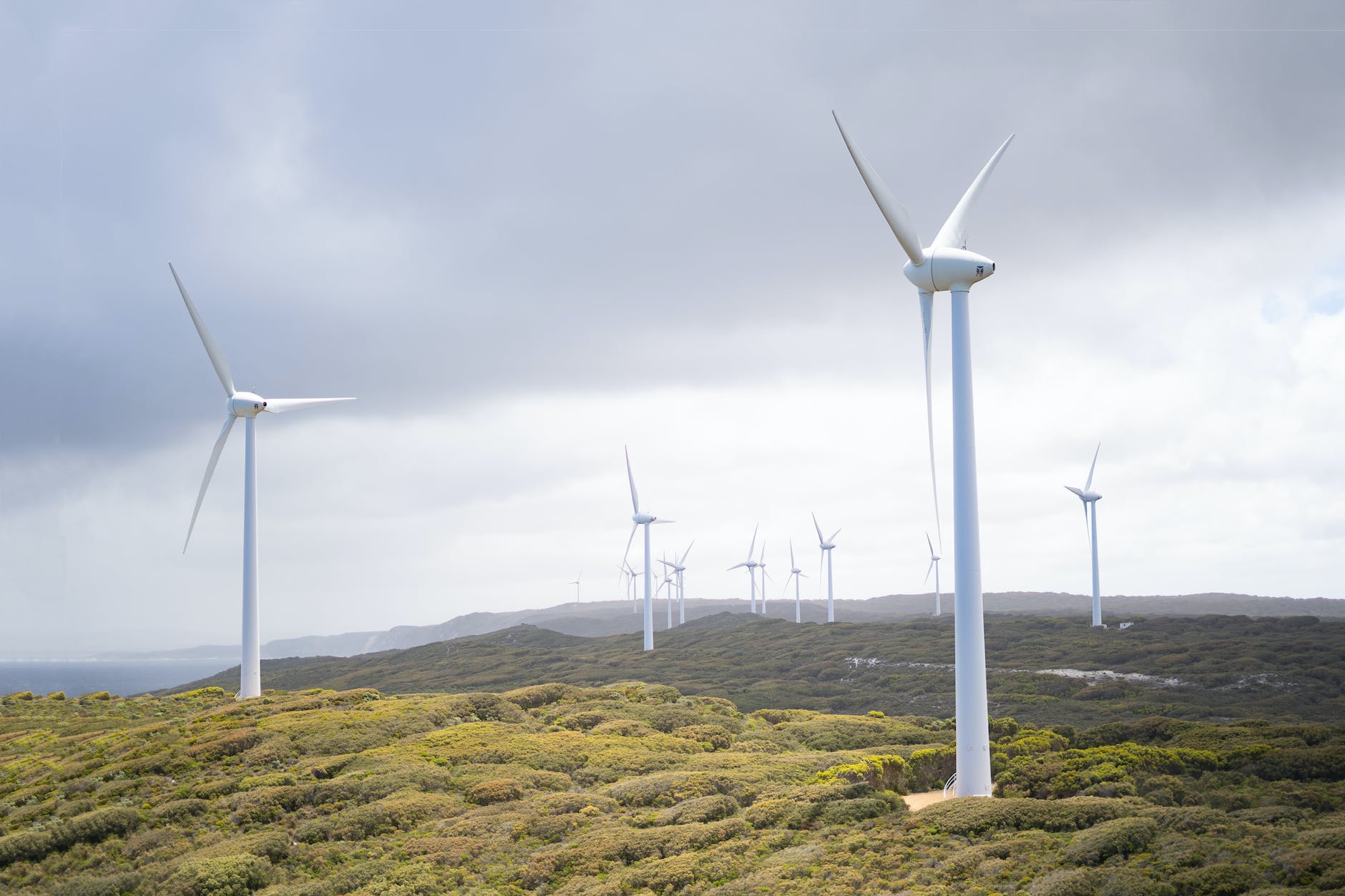
Onshore wind farms have been instrumental in the UK’s renewable energy journey. These wind farms consist of clusters of wind turbines erected on land, often in rural or coastal areas where winds are consistent and strong. As onshore wind technology has matured, turbines have become more efficient and cost-effective, contributing to a rapid expansion of onshore wind capacity.
Offshore wind generation
The UK’s offshore wind sector has experienced tremendous growth, making it a global leader in this field. Offshore wind farms are located in the sea, where wind resources are typically stronger and more consistent than onshore. Technological advancements and government support have enabled the construction of larger, more powerful turbines, further boosting offshore wind capacity.
Contributions to the UK energy sector
Wind generation has brought about a multitude of benefits to the UK’s energy sector and broader society:
– Renewable Energy Transformation
Wind generation has played a central role in decarbonising the UK’s electricity supply. By harnessing the power of wind, the country has reduced its reliance on fossil fuels and achieved substantial reductions in greenhouse gas emissions.
– Capacity Growth
Considered Europe’s best location for wind power the UK has over 11 thousand wind turbines with a total installed capacity in 2023 of 28 gigawatts (GW), with 14 GW generated by onshore wind turbines and 14 GW produced by offshore wind turbines.
– Job creation and economic growth
The wind energy sector has created tens of thousands of jobs across the UK, from manufacturing and construction to operations and maintenance. This growth has contributed to economic development in coastal regions and rural areas, supporting local businesses and communities.
– Energy Security
Wind generation enhances the UK’s energy security by diversifying the energy mix and reducing dependence on imported fossil fuels. This contributes to a more resilient and self-sufficient energy system.
– Technological advancements
The development of wind generation technologies has led to innovations in turbine design, grid integration, and energy storage, driving further improvements in efficiency and reducing costs.
– Global leadership
The UK’s success in wind generation has positioned the country as a global leader in renewable energy, with expertise sought after by other nations looking to replicate its achievements.
Government support and policies
The UK government has played a critical role in fostering the growth of wind generation through supportive policies and incentives. Key measures include:
– Contracts for Difference (CfD)
The CfD scheme provides long-term contracts that guarantee a stable price for electricity generated by low-carbon sources, including wind. This mechanism has been crucial in attracting investment and ensuring the financial viability of wind projects.
– Renewable Obligation (RO)
The RO scheme, which has now closed to new projects, provided financial support to renewable energy generators based on the amount of renewable electricity they produced. It significantly contributed to the expansion of the wind energy sector.
– Offshore Wind Sector Deal
Launched in 2019, the Offshore Wind Sector Deal set ambitious targets for offshore wind capacity, aiming for 40 GW by 2030, and established partnerships between government and the private sector to drive innovation and investment.
– Planning Support
The UK government has sought to streamline planning processes for wind energy projects, reducing regulatory barriers and facilitating project development.
Challenges and the Path Forward
– Intermittency
Wind generation is intermittent and variable, as it depends on weather conditions. Effective grid integration and energy storage solutions are needed to ensure a stable and reliable energy supply.
– Grid constraints
The rapid growth of wind generation has highlighted grid constraints in some regions, particularly for offshore wind. Upgrading and expanding the grid infrastructure are necessary to accommodate increased wind capacity.
– Public perception
Some communities have expressed concerns about the visual impact of wind turbines and their potential effects on wildlife. Public engagement, community consultation, and careful siting are essential to address these concerns.
– Cost competitiveness
While the cost of wind generation has significantly decreased, it still faces competition from other energy sources. Continued advancements in technology and economies of scale are vital to maintaining cost competitiveness.
Future outlook
With a plans to decarbonise the UK’s energy capacity by 2035 wind generation will be a critical component of achieving these targets. While offering a cleaner, more sustainable alternative to conventional fossil fuel-based power generation its contributions to decarbonisation, energy security, and economic growth have positioned the UK as a global leader in renewable energy. As the nation strives to achieve its net-zero emissions goal, wind generation will continue to shape a greener, more resilient future for generations to come.