
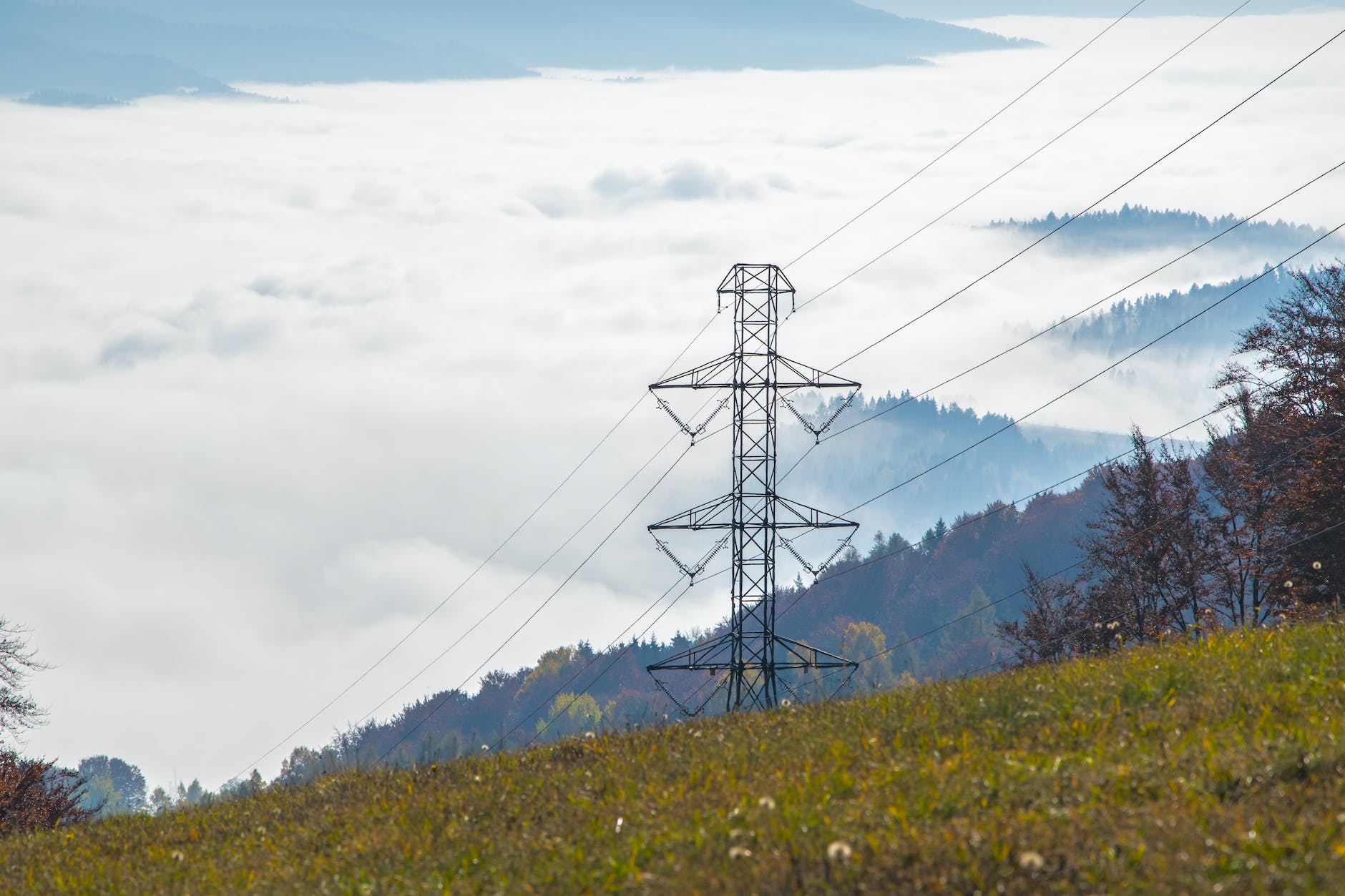
As the demand for electricity continues to rise and the energy landscape undergoes rapid transformation, the need for robust and reliable energy infrastructure becomes more critical than ever. However, traditional methods of network reinforcement can be both costly and time-consuming, often requiring extensive construction and lengthy regulatory processes. In this context, the pursuit of alternative solutions that reduce or even eliminate expensive network reinforcement emerges as a promising avenue to meet energy demands.
Demand-Side Management and Flexibility Services
Demand-side management (DSM) stands as a cornerstone in the quest for cost-effective network reinforcement alternatives. DSM involves actively managing energy consumption patterns to align with grid conditions and peak demand periods. By incentivising consumers to reduce their energy usage during peak times, DSM helps flatten demand curves, mitigating the need for significant network upgrades.
Flexibility services, such as demand response and load shifting, further amplify the impact of DSM. Companies like GridBeyond Limited and Limejump aggregate flexible energy assets, enabling businesses to adjust their energy consumption in response to real-time grid conditions. This dynamic response not only relieves stress on the grid but also offers participating businesses financial incentives for their contributions.
Energy Storage: Shaping a Resilient Grid
Demand-side management (DSM) serves as a cornerstone in the quest for economical alternatives to network reinforcement. DSM involves actively orchestrating energy consumption patterns to harmonize with grid conditions and peak demand phases. By motivating consumers to curtail their energy consumption during peak intervals, DSM aids in flattening demand curves, mitigating the requirement for extensive network upgrades.
Flexibility services, such as demand response and load shifting, augment the efficacy of DSM. Companies like Voltalis enable businesses to modulate their energy consumption in reaction to real-time grid dynamics. This proactive response not only eases the burden on the grid but also offers participating businesses incentives for their contributions.
Microgrids: Localized Empowerment
Microgrids present an innovative approach to reducing the reliance on extensive network reinforcement. By creating localised energy systems that can operate independently or in conjunction with the main grid, microgrids offer enhanced energy security and resilience while minimizing the need for costly infrastructure upgrades.
Companies like AlphaStruxure plays a leading role in the microgrid arena specialises in large projects that integrate renewable energy sources and advanced energy management systems. AlphaStruxure leverages an Energy as a Service (EaaS) model to build and operate microgrids, contributing to more efficient local energy ecosystems.
Virtual Power Plants: Orchestrating Decentralization
Virtual Power Plants (VPPs) harness the power of distributed energy resources, such as rooftop solar panels and energy storage systems, to create a network of responsive and flexible energy assets. VPPs allow for aggregated control and coordination of these resources, providing grid support and stability without the need for extensive physical network reinforcement.
Next Kraftwerke exemplifies the potential of VPPs by aggregating distributed energy resources into a virtual power plant, which can be intelligently managed to address grid fluctuations. This not only reduces the burden on the central grid but also taps into the inherent flexibility of decentralised energy assets.
Smart Grids and Advanced Technologies
Advancements in smart grid technologies, including advanced sensors, communication systems, and real-time data analytics, are pivotal in optimizing existing network infrastructure. By identifying inefficiencies, bottlenecks, and areas of potential congestion, smart grids enable targeted interventions that alleviate stress on the grid without resorting to costly and extensive network reinforcement.
Companies like Iberdrola and Ecotricity are at the forefront of smart grid innovation with intelligent energy solutions that enhance grid resilience and responsiveness, optimising energy distribution across the network while deploying a wide range of energy management resources, leveraging data-driven insights to inform grid optimisation strategies.
Collaborative Innovation: Forging a Sustainable Future
The pursuit of alternative solutions to expensive network reinforcement underscores a collective commitment to a sustainable energy future. Through demand-side management, energy storage, microgrids, virtual power plants, and smart grid technologies, these solutions not only address immediate energy demands but also foster resilience, efficiency, and environmental responsibility.
As companies and communities join forces to implement these innovative approaches, the energy landscape stands to gain newfound flexibility and adaptability. By reducing the need for costly network reinforcements, these alternatives open doors to a more accessible, affordable, and sustainable energy infrastructure that can weather the challenges of the future.