The aspiration to achieve 100% energy self-sufficiency through renewable energy generation is becoming a reality for those who are willing to meticulously research and plan as every off-grid project has its individual requirements to be a success.
This ambitious goal involves relying solely on self-generated renewable sources to meet all energy needs, eliminating dependence on non-renewable resources. While it presents challenges, achieving complete self-sufficiency with electricity is a transformative step requiring a committed approach to learning that will enable the essential steps and considerations for individuals, communities, or even businesses looking to embark on this path.
Energy Audit and Assessment
Begin by conducting a comprehensive energy audit to understand your current energy consumption patterns. Analyse your electricity, heating, cooling, and transportation needs. This assessment will serve as the foundation for designing a renewable energy system that can meet your requirements.
Set Clear Goals
Define your objectives for achieving 100% energy self-sufficiency. Is your primary goal to reduce your carbon footprint, lower energy costs, or achieve energy independence? Having clear goals will guide your decisions and help prioritize your efforts.
Assess Renewable Resources
Identify the renewable resources available in your location. Solar, wind, hydro, geothermal, and biomass are some of the options to consider. Conduct resource assessments to determine the feasibility of harnessing these sources effectively.
Design Your System
Collaborate with renewable energy experts to design a system tailored to your energy needs and available resources. Determine the appropriate mix of technologies, such as solar panels, wind turbines, and energy storage solutions like batteries.
Energy Efficiency Measures
Before aiming for 100% self-sufficiency, focus on energy efficiency measures to reduce your overall energy consumption. Implement energy-saving practices, upgrade insulation, switch to energy-efficient appliances, and optimise heating and cooling systems.
Implement Renewable Generation
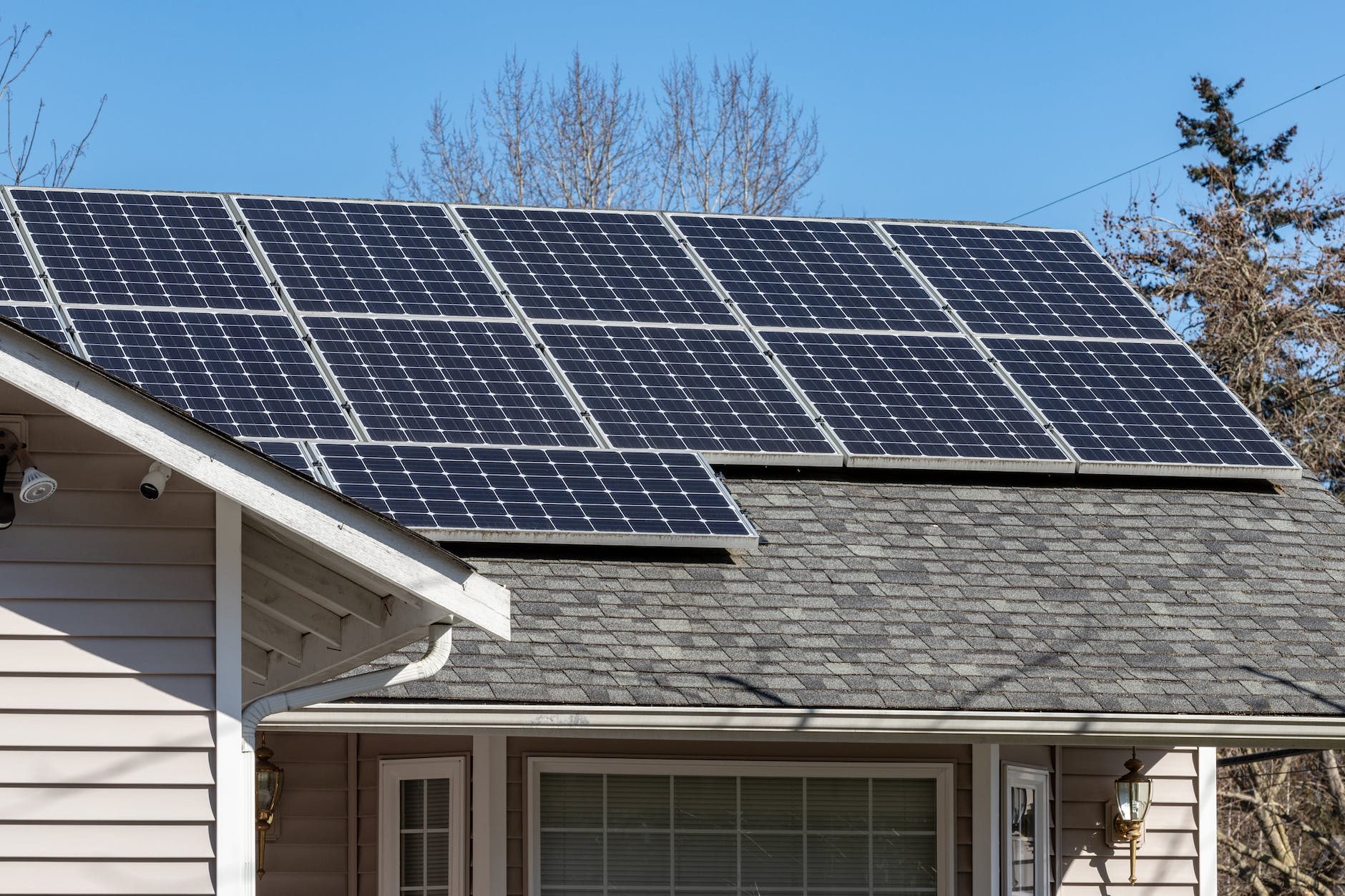
Install the renewable energy technologies chosen during the design phase. This might involve installing solar panels on rooftops, wind turbines on your property, or setting up a small hydropower system if the conditions are favourable.
Energy Storage Solutions
To ensure a consistent energy supply even when renewable sources are intermittent, integrate energy storage solutions like batteries. These store excess energy generated during peak production periods for use during low-production times.
Grid Connection
Even if you never plan to purchase any power, if your generation occasionally exceeds your battery capacity consider a bi-directional EV charger enabling the provision of flexibility services to the grid along with an SEG tariff to sell surplus electricity during periods of high production.
Energy Monitoring and Management
Implement energy monitoring systems to track your energy production and consumption in real-time. This data will help you optimise your system’s performance and make informed energy-related decisions.
Backup Systems
Even with renewable generation and storage, it’s wise to have backup solutions in place, especially during extended periods of low renewable production. Backup generators or a grid connection can act as a safety net.
Lifestyle and Behavioural Changes
Achieving 100% energy self-sufficiency might require adjustments to your lifestyle. Be conscious of energy consumption, practice energy-saving habits, and be prepared to adapt when energy supply is limited. Be prepared to reconsider if you are highly dependent on a constant supply of electricity.
Regular Maintenance
Routine maintenance of your renewable energy system is crucial for optimal performance. Regularly clean solar panels, inspect wind turbines, and check battery health to ensure efficiency and longevity.
Storage Capacity Planning
Ensure your energy storage capacity is sufficient to meet your energy needs during extended periods of low renewable production, such as cloudy days or calm nights.
Continued Learning
Stay informed about advancements in renewable energy technologies and practices. As technology evolves, new innovations could enhance the efficiency and effectiveness of your self-sufficiency efforts.
Community and Collaboration
Engage with like-minded individuals and communities pursuing similar goals. Collaboration can lead to knowledge sharing, joint purchasing power, and collective solutions to challenges.
Regulation and Compliance
Find expert advice to fully understand the regulations, permits, and policies governing renewable energy installations in your area. Compliance with local laws is essential for a smooth and legally sound transition to self-sufficiency.
Long-Term Vision
Recognise that achieving 100% self-sufficiency might be a gradual process. Your initial system might not cover all your energy needs, but over time, upgrades and improvements can bring you closer to your goal.
Adapting to Technological Changes
Stay open to incorporating new technologies and innovations that could enhance your system’s efficiency and increase your self-sufficiency potential.
Share Your Journey
Document your experiences, challenges, and successes as you strive for 100% energy self-sufficiency. Sharing your journey can inspire others to pursue renewable energy solutions and contribute to a more sustainable future.
Conclusion:
Achieving 100% energy self-sufficiency through renewable generation is a transformative journey that requires expert advice, careful planning, dedication, and adaptation. While challenges exist, the advantages—such as reduced environmental impact, energy independence, and potential cost savings—are profound. By embracing renewable technologies, optimising energy usage, and committing to a sustainable lifestyle, individuals, communities, and businesses can create a brighter, greener, and more self-reliant future.